

RCEP vs CPTPP: Understanding Malaysia’s Trade Agreements
How these two mega trade agreements shape Malaysia’s market access, tariff benefits, and competitive positioning in global commerce.
Read MoreUnderstanding Malaysia’s trade relationships within Southeast Asia, intra-regional commerce patterns, and how bilateral partnerships drive economic integration across the region.
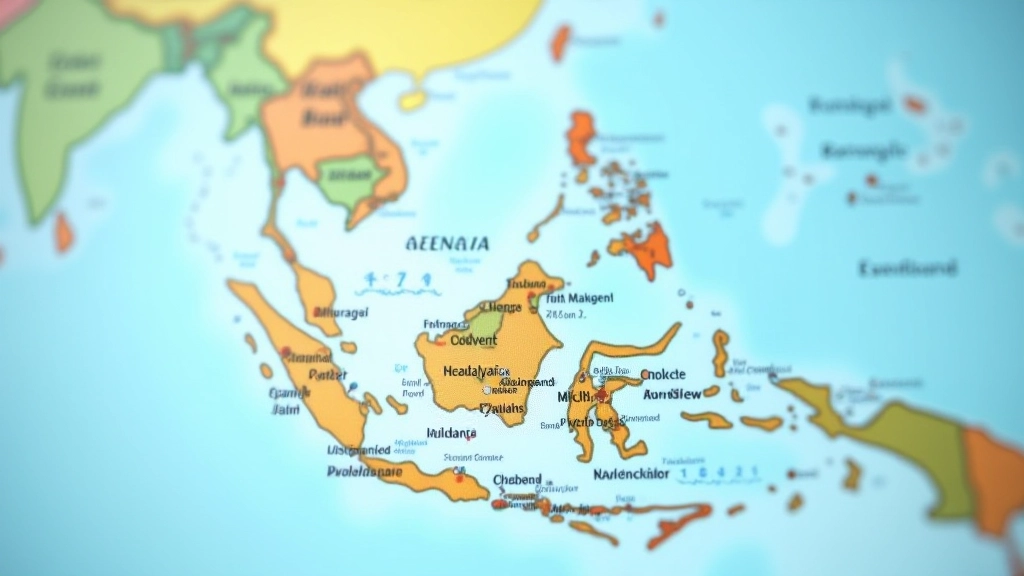
Malaysia’s economy doesn’t exist in isolation. The Association of Southeast Asian Nations represents one of the world’s most dynamic regional trade blocs, and Malaysia sits at its center. We’re not just trading with Thailand or Vietnam—we’re part of a interconnected economic system where every tariff adjustment and trade agreement creates ripples across ten countries.
The regional trade balance tells a fascinating story. It’s not about which country “wins” at trade, but rather how the region’s economies complement each other. Malaysia exports semiconductors and palm oil while importing electronics components. Singapore handles financial services. Vietnam dominates textiles. Indonesia provides natural resources. This specialization makes ASEAN stronger as a bloc, and it’s why understanding Malaysia’s position within this network matters for anyone tracking Southeast Asian economics.

Malaysia’s trade within ASEAN operates on two levels. Bilateral trade happens between Malaysia and individual neighbors—direct agreements with Thailand, Indonesia, or the Philippines. These relationships are personal, negotiated specifically for each pair of countries. We’ve built customs relationships, trust, and long-term supply chains with each partner.
Multilateral trade is different. It’s coordinated through ASEAN frameworks like AFTA (ASEAN Free Trade Area). Started in 1992, AFTA reduced tariffs across the region so products could move more freely. Instead of negotiating separate deals with all nine neighbors, one agreement covers everyone. That’s much more efficient. But it also means compromises—tariff rates that don’t perfectly match what each country might want bilaterally.
Malaysia’s strategy balances both. We’ve negotiated special arrangements with key trading partners (Thailand and Singapore are massive) while maintaining AFTA commitments. It’s not always simple. Sometimes a bilateral deal conflicts with regional rules. But that tension creates the negotiating space where real growth happens.


Roughly 22-25% of Malaysia’s total trade happens within ASEAN. That’s significant. For context, it’s higher than Malaysia’s trade with China as a single country, though lower than with the EU combined. The breakdown shows clear patterns. Singapore’s our largest ASEAN trading partner by far—over $70 billion annually in two-way trade. Thailand comes next around $35-40 billion. Indonesia, Philippines, and Vietnam follow. These aren’t random numbers. They reflect geography, industrial specialization, and decades of relationship-building.
What’s interesting is the composition. Malaysia exports refined petroleum products, chemicals, and machinery to Thailand. We send palm oil to Indonesia. Electronics and semiconductors go to Singapore and Vietnam. But we’re also importing—textiles from Vietnam, agricultural products from Thailand, crude oil from Indonesia. It’s not a one-way flow. Every country in ASEAN needs what the others produce. That mutual dependence is actually stabilizing. Trade disputes get resolved faster when both sides lose significantly if negotiations fail.
Malaysia’s location on major shipping routes between the Indian and Pacific Oceans isn’t accidental luck. The Strait of Malacca sees about 30% of global maritime trade. Being positioned here means lower shipping costs to regional partners and natural integration into ASEAN supply chains. Proximity matters. A product made in Penang can reach Bangkok or Ho Chi Minh City in days, not weeks.
Malaysia didn’t become a semiconductor hub by accident. Deliberate policy investments in the 1980s and 1990s attracted multinational corporations. Now we’re locked into that role. ASEAN neighbors rely on Malaysian semiconductors for their electronics industries. This creates stable, long-term trade relationships. Thailand buys our chips to make car components. Vietnam uses them for consumer electronics. You can’t replicate this overnight.
AFTA reduced average tariffs from around 12-13% in the early 1990s to under 2% today. That’s a massive change. Lower tariffs mean Malaysian exporters can compete more effectively in regional markets. But it also means competition from ASEAN partners increased. The agreement fundamentally restructured how regional trade works. Companies relocated to the lowest-cost production sites within ASEAN. Malaysia didn’t win every competition, but it held ground in high-value sectors.
This might sound basic, but it’s crucial. Malaysia’s relatively stable political system and functional legal framework make it attractive for trade partners. Companies need confidence that contracts will be enforced, that shipments won’t be seized, that regulations won’t change arbitrarily. Not every ASEAN country has achieved this equally. Stable countries attract more trade. Malaysia’s position reflects this.
The landscape is shifting. Vietnam’s manufacturing sector has grown aggressively over the past decade. Indonesia’s population—270 million people—represents an increasingly important market. Thailand’s political situation remains complex. These aren’t static relationships. Malaysia’s trade position within ASEAN will continue evolving.
Digital trade is becoming significant. E-commerce platforms connect Malaysian sellers with customers across the region. Fintech services move money between countries more efficiently. Supply chain digitalization is reducing friction. Malaysia’s advantage in tech sectors positions it well here. Companies like Lazada and regional payment processors are creating new trade channels that didn’t exist five years ago.
But challenges exist too. Labor costs are rising in Malaysia while remaining lower in Vietnam and Cambodia. That pressures manufacturing competitiveness. Environmental regulations are tightening, especially around palm oil. Climate change threatens agricultural exports. The trade relationships that’ve worked for decades are being tested. Success means adapting—moving toward higher-value sectors where Malaysia can compete on quality and technology, not just cost.
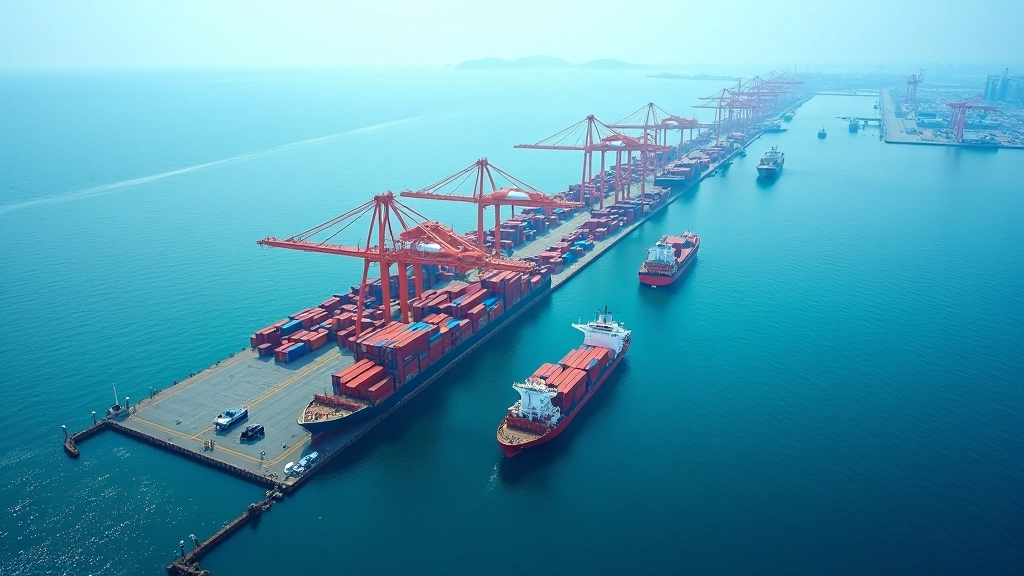
Geography, industrial specialization, and political stability aren’t accidental. They’re the result of deliberate policy choices over decades. Understanding trade balance isn’t about one country “beating” another. It’s about recognizing why certain trade patterns exist and how they create mutual value.
AFTA reduced tariffs dramatically, but trade barriers remain in services and agriculture. Digital trade is growing faster than physical goods trade. Different countries are integrating at different speeds. Malaysia’s challenge is staying ahead of this curve—competing effectively while also benefiting from regional growth.
Malaysia’s trade with Singapore, Thailand, and Indonesia follows different patterns than trade with smaller partners. Understanding both the regional level and individual country relationships is essential for anyone tracking Southeast Asian economics or business opportunities.
ASEAN trade dynamics are complex, but they’re also logical once you understand the underlying economic forces. Malaysia’s position as a mid-sized developed economy with competitive manufacturing sectors puts it in an interesting position—not the largest market like Indonesia, but more integrated than smaller nations.


This article presents information about ASEAN trade dynamics and Malaysia’s regional market position for educational purposes. Trade data, statistics, and relationships described are based on publicly available information current as of March 2026. Trade balances, tariff rates, and bilateral relationships can change. For business decisions, investment planning, or commercial negotiations, consult official trade agencies, economic experts, or government trade representatives. This content is informational and doesn’t constitute trade advice, business guidance, or investment recommendations.