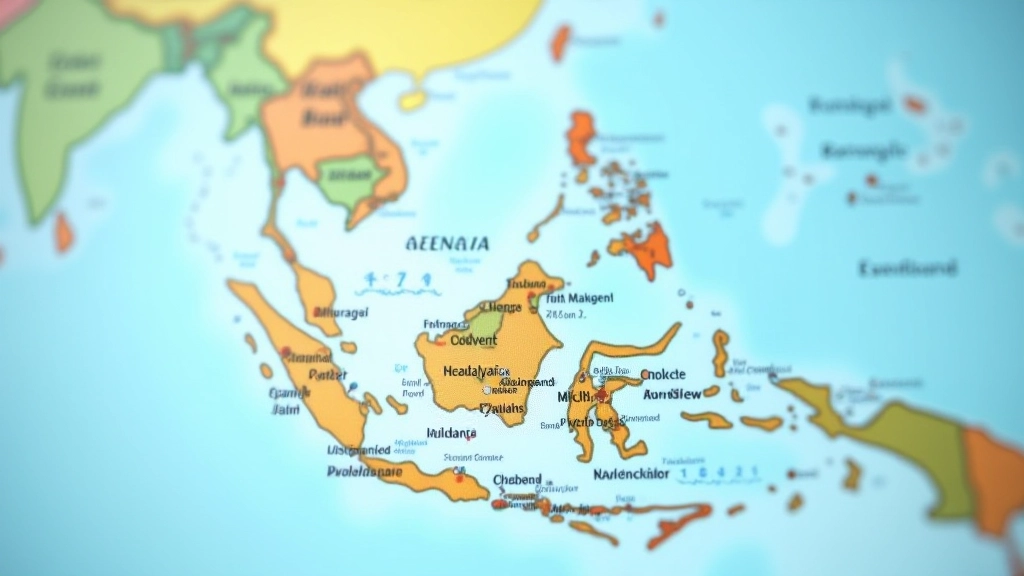

RCEP vs CPTPP: Understanding Malaysia’s Trade Agreements
How these two mega trade agreements shape Malaysia’s market access, tariff benefits, and competitive positioning in regional and global commerce.
Read MoreUnderstanding the global market dynamics, production volumes, and economic significance of Malaysia’s dominant position in the worldwide palm oil industry.
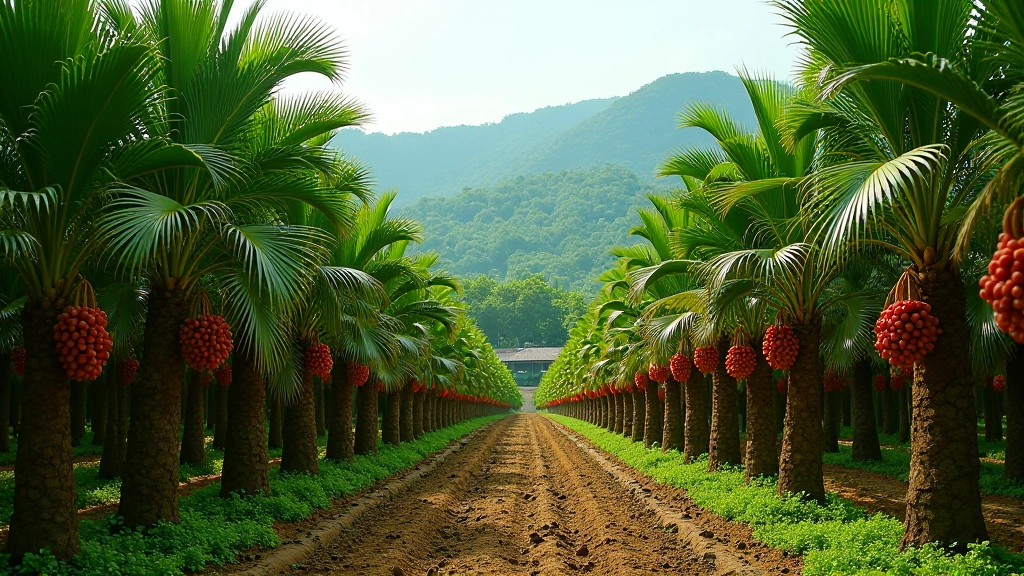
Malaysia doesn’t just produce palm oil — it’s essentially the world’s supplier. We’re talking about roughly 27% of global production, with annual exports hitting around 18 million tonnes. That’s not a casual contribution to the global economy.
The industry employs over 500,000 people directly and supports millions more across processing, logistics, and export chains. When you look at Malaysia’s export revenue, palm oil consistently ranks in the top five agricultural products, sitting alongside semiconductors and petroleum products as genuine economic pillars.
But here’s the thing — this dominance didn’t happen by accident. It’s the result of decades of agricultural development, infrastructure investment, and strategic market positioning that we’re going to explore.
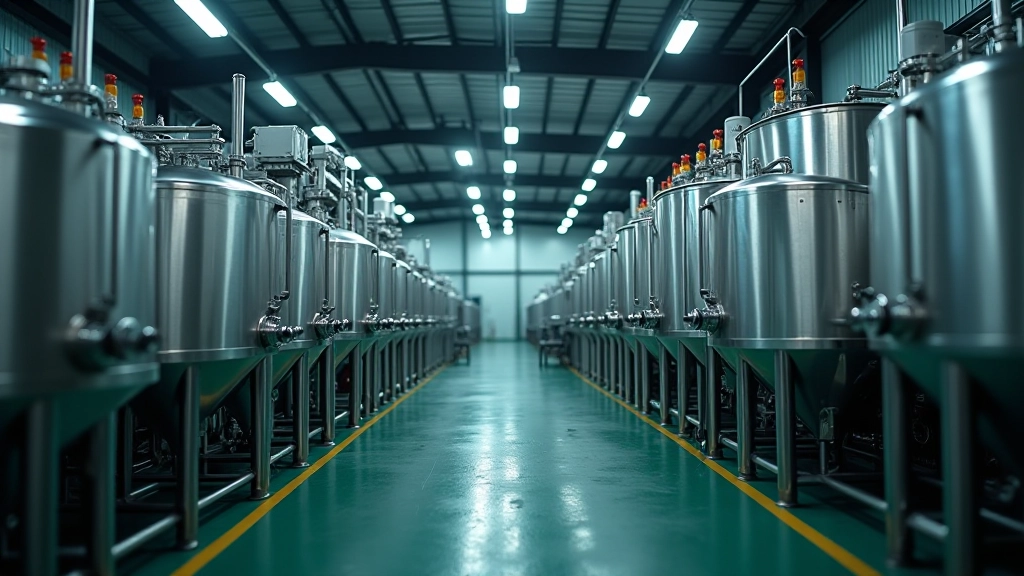
When we talk about Malaysia’s palm oil sector, the numbers are genuinely staggering. The country operates across approximately 5.8 million hectares of planted area — that’s roughly the size of Croatia, all dedicated to palm cultivation.
The production cycle itself is fascinating. A palm tree starts producing fruit about 3-4 years after planting and remains productive for roughly 25-30 years. This means today’s harvest reflects planting decisions made in the early 2000s, while current investments will determine output through 2050.
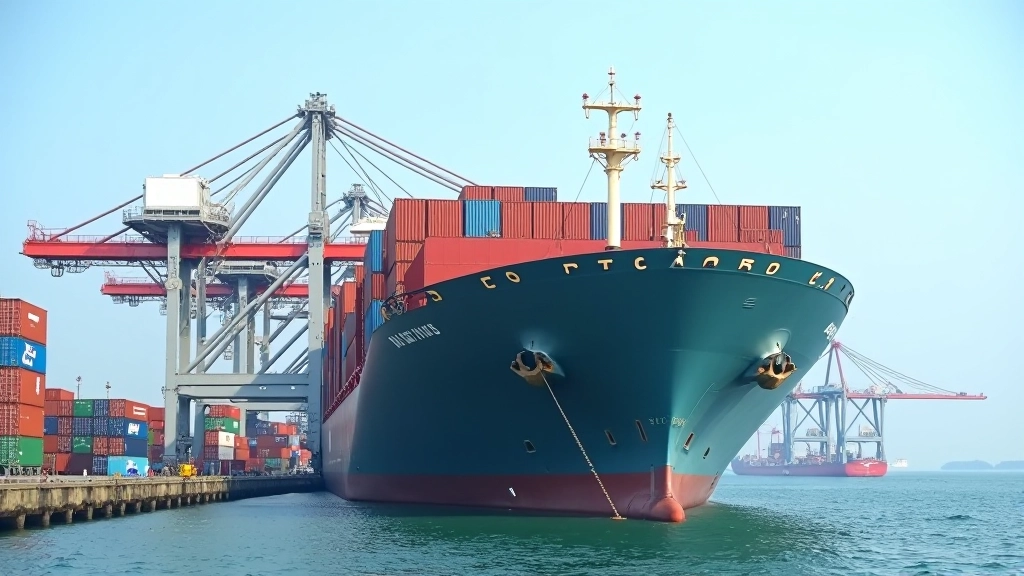
Malaysia’s export destinations span virtually every continent. India remains the largest importer, followed by China, European Union countries, and Pakistan. Each market has different specifications — some want refined products, others need crude oil for further processing.
“Palm oil prices don’t move in isolation. They’re influenced by global vegetable oil supplies, biodiesel mandates in Europe, Chinese demand patterns, and even weather in Argentina affecting soybean crops.”
— Trade Analysis Perspective
Pricing is volatile. International benchmark prices fluctuate based on production forecasts, currency movements, and competing vegetable oils. A single monsoon season affecting crop yields can shift prices 20-30% within weeks.
It’s not all straightforward economics. Malaysia’s palm oil sector faces serious scrutiny around environmental impact and land use. Deforestation concerns, biodiversity impacts, and carbon footprint discussions shape policy and market access constantly.
The industry’s response has been multi-faceted. Certified Sustainable Palm Oil (CSPO) production has grown significantly — we’re talking about millions of tonnes now carrying sustainability certifications from organizations like the Roundtable on Sustainable Palm Oil (RSPO). This matters because major retailers and manufacturers increasingly demand certified supplies.
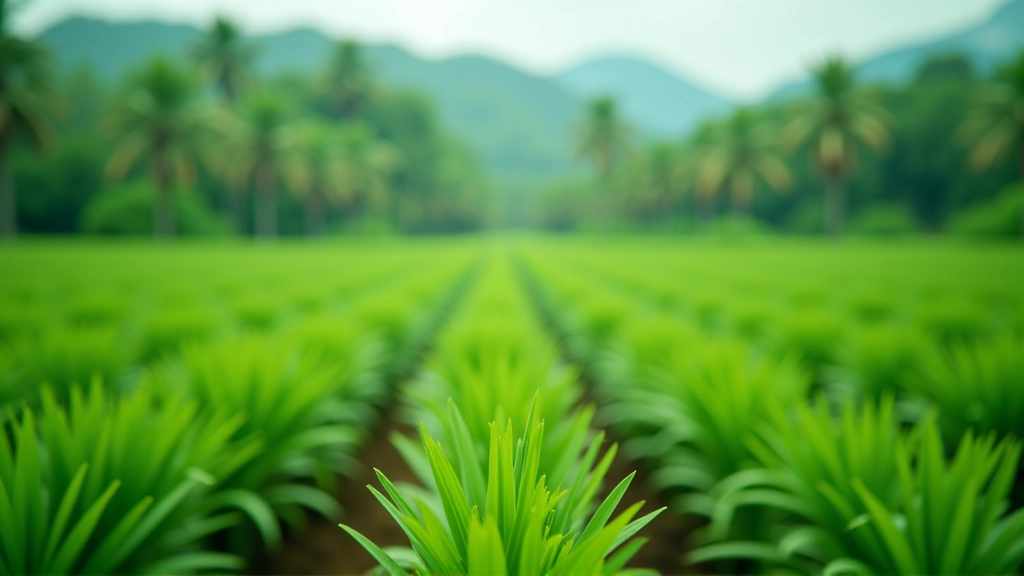

Malaysia’s palm oil exports benefit enormously from regional trade frameworks. The RCEP (Regional Comprehensive Economic Partnership) agreement, which came into effect in January 2022, reduces tariff barriers across ASEAN and key partners like China, Japan, and South Korea. That means lower costs for getting Malaysian palm oil to some of the world’s largest consumer markets.
CPTPP (Comprehensive and Progressive Agreement for Trans-Pacific Partnership) provides preferential access to markets like Japan, Vietnam, and other Pacific economies. These aren’t minor trade deals — they directly impact competitiveness against competing suppliers from Indonesia and other producers.
The agreements also include provisions around product standards, labeling requirements, and phytosanitary measures. Exporters need to navigate these regulations carefully because non-compliance can mean shipments getting held at ports or rejected entirely.
Malaysia’s position as a palm oil powerhouse isn’t going away anytime soon. The combination of suitable climate, established infrastructure, experienced workforce, and strong market relationships creates significant competitive advantages. That said, the industry isn’t static.
We’re seeing increased focus on value-added products — specialty oils, oleochemicals, and biodiesel derivatives that command higher prices than crude oil. There’s also continued investment in productivity improvements and precision agriculture techniques that boost yields per hectare.
The sustainability conversation will only intensify. Import regulations in Europe and North America increasingly favor certified sustainable sources. For Malaysian exporters, this creates both challenges and opportunities — compliance costs money, but it also opens doors to premium markets willing to pay more for verified sustainable products.
Want to understand how palm oil fits into Malaysia’s broader export landscape? Explore our related articles on trade agreements and semiconductor exports to see the full picture of Malaysian commerce.
This article provides educational information about Malaysia’s palm oil export industry, market dynamics, and trade relationships. The data, statistics, and analyses presented are intended to inform and explain economic concepts. Market conditions, trade policies, and export volumes change regularly and may differ from the information presented here. For current market data, official trade statistics, or specific business decisions, consult relevant government agencies like the Malaysian Palm Oil Board (MPOB) or current industry reports. This content is not intended as investment advice or commercial guidance.