
Semiconductor Exports: Tech Sector Growth & Supply Chains
How Malaysia became a critical hub in global semiconductor manufacturing, assembly, and testing operations. Discover the supply chain complexities, geopolitical shifts, and future growth strategies reshaping the industry.

Malaysia’s Rise in Global Semiconductor Manufacturing
Malaysia isn’t just a player in semiconductors — it’s become absolutely essential. The country now ranks among the world’s top semiconductor exporters, handling everything from initial wafer fabrication to final assembly and testing. We’re talking about a sector that’s grown significantly over the past decade, with exports reaching billions annually.
What makes this interesting isn’t just the volume. It’s the position Malaysia occupies in the global supply chain. When major tech companies need chips assembled and tested, they rely on facilities scattered across Penang, Johor, and Kedah. But recent geopolitical tensions — trade disputes, supply chain diversification, and shifting trade agreements like RCEP and CPTPP — are reshaping how this industry operates.
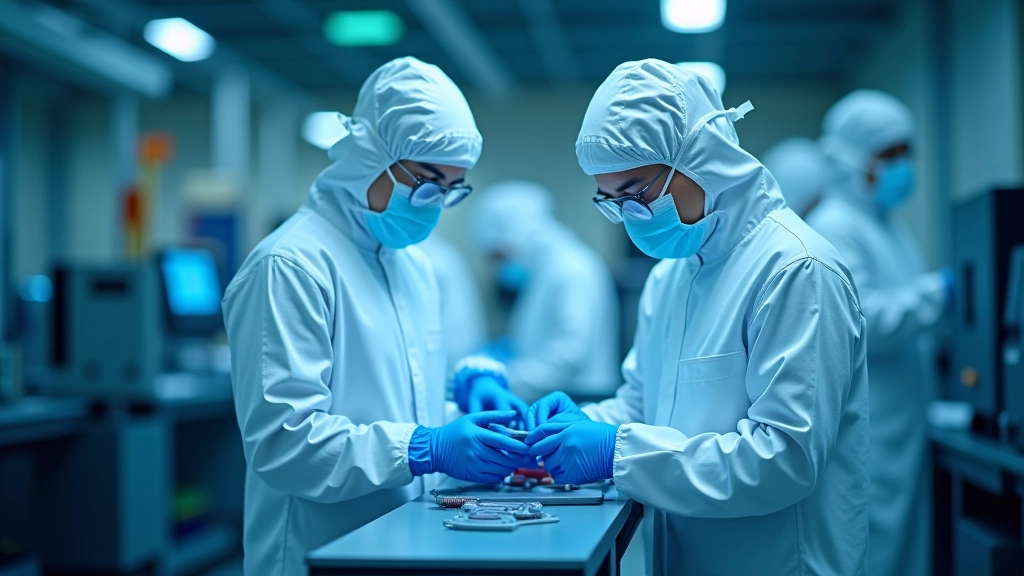
The Semiconductor Supply Chain Structure
Understanding how chips move from design to consumer devices
Wafer Fabrication (Fab)
The foundation of chip manufacturing. Raw silicon wafers get processed in foundries, where intricate patterns are etched layer by layer. Malaysia hosts several advanced fabrication facilities, though most large-scale fabs operate in Taiwan, South Korea, and the US.
Assembly & Packaging
This is where Malaysia excels. Finished wafers get cut into individual chips, then assembled onto circuit boards or ceramic packages. The country’s expertise in this phase is unmatched — we’re talking about high-volume, precision work that requires specialized equipment and trained technicians.
Testing & Quality Control
Every chip gets tested extensively before shipping. Malaysia’s testing facilities verify functionality, performance, and reliability. It’s meticulous work — defect rates need to stay incredibly low because a single faulty chip in a smartphone or server can cause major problems.
Distribution & Integration
Tested chips get distributed to electronics manufacturers worldwide. They’re integrated into consumer products — phones, laptops, cars, IoT devices. Malaysia’s strategic location makes it ideal for serving both Asian and global markets quickly.
Export Performance & Market Dynamics
Malaysia’s semiconductor exports have shown consistent growth, though the trajectory isn’t perfectly linear. In 2024-2025, the sector faced headwinds from global chip oversupply and shifting demand patterns. But here’s what’s interesting: even during downturns, Malaysia maintains its position because of its specialization in assembly and testing — less cyclical than pure manufacturing.
The biggest export destinations remain unchanged. The US, Europe, and Asia-Pacific countries account for the majority of Malaysian semiconductor exports. Within Asia, Singapore, China, and South Korea are major trading partners. Don’t forget that many chips assembled in Malaysia get re-exported through Singapore before reaching final destinations — it’s all part of the interconnected supply chain.
Export values typically range from $8-12 billion annually, depending on global demand cycles. What’s shifted is the composition — more high-complexity packaging, more testing services, and increasingly, specialization in niche segments like automotive semiconductors and power management chips.
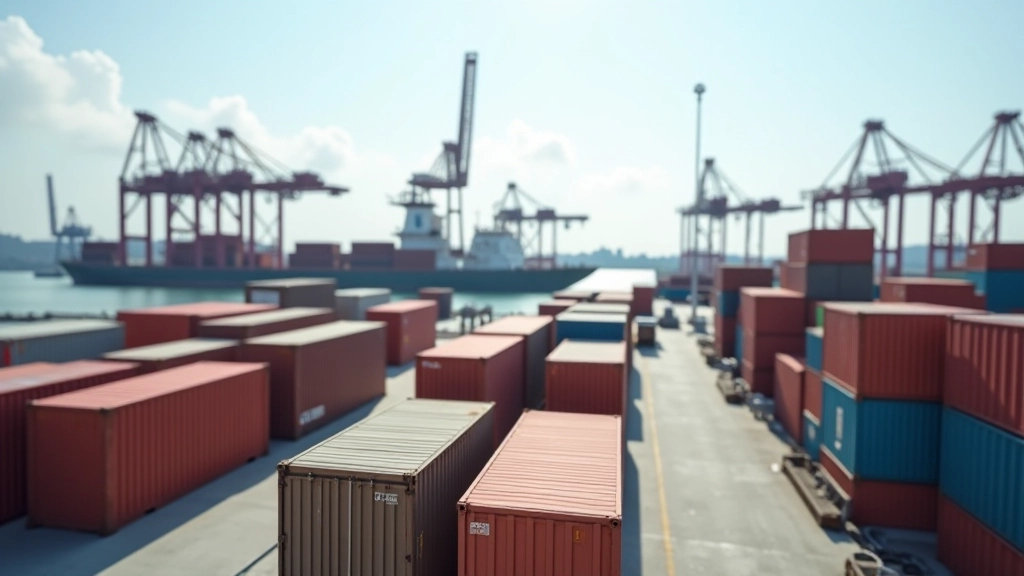
Geopolitical Shifts Reshaping Supply Chains
How trade tensions and regional agreements impact Malaysia’s semiconductor sector
US-China Trade Dynamics
Tensions between the US and China have created uncertainty, but also opportunity. Export controls on advanced semiconductors from China have pushed some manufacturing elsewhere. Malaysia benefits because it’s seen as a neutral alternative for assembly and testing operations. Companies diversifying away from China often choose Malaysia as a secondary hub.
Supply Chain Resilience
Recent global disruptions taught companies that concentrating semiconductor operations in one region is risky. Malaysia’s advantage here is clear — it’s geographically close to Taiwan (where most advanced fabs operate), has established infrastructure, and maintains stable political relationships with major trading partners.
RCEP & CPTPP Impact
Malaysia participates in RCEP (Regional Comprehensive Economic Partnership) and CPTPP (Comprehensive and Progressive Agreement for Trans-Pacific Partnership). These agreements reduce tariffs and simplify logistics across regions. For semiconductors, this means easier movement of components between Malaysia and other member nations, lowering costs and improving competitiveness.
Technology Standards
Different regions have different quality standards and certifications. Malaysia’s facilities maintain certifications for US, EU, and Asian markets. This flexibility is valuable because it allows manufacturers to serve multiple markets without building entirely separate facilities.

Growth Drivers & Future Outlook
Several factors are pushing Malaysia’s semiconductor sector forward. First, there’s the automotive revolution. Electric vehicles need more semiconductors than traditional cars — power management, battery control systems, autonomous driving chips. Malaysia’s automotive semiconductor segment is growing faster than other segments.
Second, AI and data center demand. The explosion of AI applications created unprecedented demand for high-performance chips. While Malaysia doesn’t manufacture cutting-edge AI processors, it’s essential for assembly and testing these chips before they reach data centers worldwide.
Third, regional integration. ASEAN countries are increasingly working together on technology development. Malaysia’s established semiconductor infrastructure makes it a natural hub for regional supply chains. Singapore and Thailand also have semiconductor operations, but Malaysia’s cost structure and manufacturing expertise create natural partnerships.
Looking ahead, growth will likely come from specialization rather than competing on pure volume. Malaysia’s strength lies in complex packaging, high-reliability testing, and customized solutions for specific industries. That’s where margins are better and competition less fierce.

Real Obstacles & How Malaysia Responds
Talent & Skills Gap
Semiconductor manufacturing requires highly trained technicians and engineers. Malaysia’s educational system produces graduates, but specialized semiconductor training isn’t universally available. Companies are investing in internal training programs and partnering with universities to address this.
Capital Investment Requirements
Modern semiconductor facilities cost billions to build. Malaysia attracts foreign investment, but competing with established hubs in Taiwan and South Korea requires continuous improvement and strategic incentives from the government.
Energy & Sustainability
Semiconductor manufacturing is energy-intensive. Malaysia’s push toward renewable energy and efficient operations helps, but energy costs remain a competitive factor. Sustainability certifications are increasingly important for international customers.
Technology Advancement Pace
The semiconductor industry moves incredibly fast. What’s advanced today becomes standard tomorrow. Malaysia’s facilities need constant upgrades to stay competitive. It’s not a one-time investment — it’s continuous spending on newer equipment and technology.
Key Takeaways
- Malaysia’s semiconductor exports are concentrated in assembly and testing operations, not leading-edge manufacturing.
- The sector generates $8-12 billion annually, with major exports going to the US, Europe, and Asia-Pacific regions.
- Geopolitical tensions and trade agreements (RCEP, CPTPP) are reshaping supply chains, creating both challenges and opportunities.
- Growth is being driven by automotive electrification, AI/data center demand, and regional integration efforts.
- Specialization in complex packaging and high-reliability testing offers better long-term prospects than competing on volume alone.
Malaysia’s semiconductor sector isn’t just about manufacturing chips. It’s about strategic positioning in global supply chains, responding to geopolitical shifts, and specializing in areas where the country has genuine competitive advantages. The industry will continue evolving, but Malaysia’s fundamentals remain solid.
Related Articles


Disclaimer
This article provides educational information about Malaysia’s semiconductor export sector, industry structure, and global trade dynamics. The information presented reflects general industry knowledge and publicly available data as of March 2026. Specific export figures, growth rates, and market projections are subject to change based on global economic conditions, trade policies, and market developments. This content is intended for informational purposes only and shouldn’t be considered as investment advice, business guidance, or definitive market analysis. For detailed market research, business decisions, or investment considerations, consult with industry specialists, trade analysts, or professional advisors with current market data.